
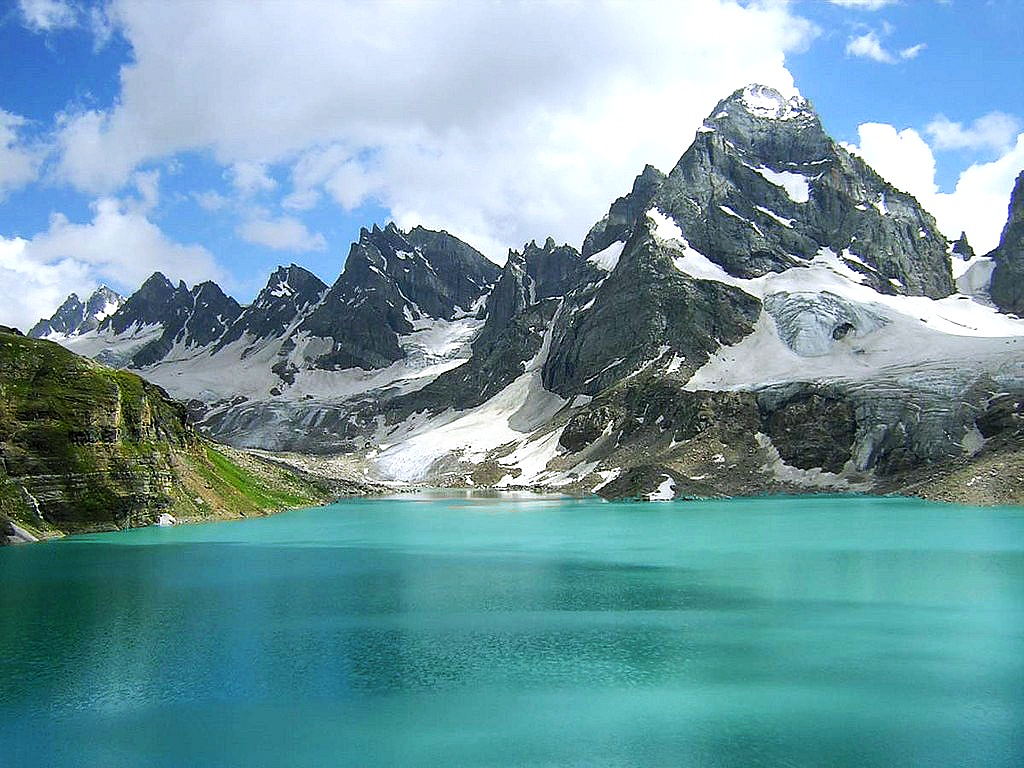
DIVE INTO CALMNESS
“Anyone can hold the helm when the sea is calm.” Publilius Syrus
Calmness is a quality that can be cultivated and strengthened with practice. It usually requires training for the mind to stay calm in the face of a wide range of stimuli, and possible distractions, including emotional ones. Calmness isn’t about being relaxed. It is a mental and physical state where your nervous system isn’t in overdrive. Your body and mind are tightly linked. Psychologically, calmness means managing reactivity and avoiding becoming overwhelmed. Biologically calmness is tied to the parasympathetic nervous system, the part of your body that slows heart rate, lowers stress hormones, and helps you recover. The sympathetic nervous system (SNS) and parasympathetic nervous system (PSNS) are two opposing branches of the nervous system. The SNS activates the “fight-or-flight” response, raising heart rate and boosting energy during stressful situations. In contrast, the PSNS promotes the “rest-and-digest” state, slowing the heart rate, relaxing the body, and conserving energy.
Developing calmness allows us to remain steady even in chaotic situations. It helps us stay centered—able to observe what is happening around us without being consumed by it. From this center, disorder begins to organize itself, confusion gives way to clarity, and thoughtful awareness replaces reactivity. In yogic philosophy, this state of observation is known as “witnessing” or Sakshin. Ultimately, calmness fosters mental clarity, enabling more rational decision-making instead of impulsive emotional reactions. It strengthens emotional control, allowing us to respond with patience, confidence, and balance.
WHAT IS CALMNESS
To get started, step away from your office or home and find a place where stress is minimal.
Take a pen and paper and write down your thoughts.
Start by listening to the audio session, then watch the short video(s).
PREPARATION
GUIDED SESSION
Use headphones for optimal sound
Exquisite Beach in Okinawa
Eye of the Storm is Calm
Relaxing Snowfall
Sleep quality, valence, energetic arousal, and calmness as predictors of device-based measured physical activity during a three-week mHealth intervention. German Journal of Exercise and Sport Research. Volume 52, pages 237–247, (2022). 14 April 2022.
The brain on silent: mind wandering, mindful awareness, and states of mental tranquility. David R. Vago et al. 11 July 2016. New York Academy of Sciences.
Reconceptualizing Anxiety as a Continuum That Ranges from High Calmness to High Anxiety. Siddaway, Andy P. et al. Journal of Personality and Social Psychology, Vol 114(2), Feb 2018, e1-e11.
A tale of two emotions: The diverging salience and health consequences of calmness and excitement in old age. Hamm, Jeremy M. et al. Psychology and Aging, 36(5), 626–641. 2021.
The world prefers a calm life, but not everyone gets to have one: global trends in valuing and experiencing calmness in the Gallup World Poll. Tim Lomas et al. The Journal of Positive Psychology. P. 1023-1036. 16 Nov 2023.
Calmness and excitement intensity and variability in old age: Linking stressful circumstances to well-being and health. Sepehri, Parisa et al. Emotion, 25(7), 1837–1851. 2025.
The role of calmness in a high-go target detection task. James Head et al. Sage Journals. Volume 57, Issue 1.