

RELAX & SLEEP
“Nothing can bring you peace but yourself.” Ralph Waldo Emerson
The human body is naturally designed to respond to stress. This automatic reaction, known as the “fight-or-flight response,” triggers a series of physical changes that prepare a person to either confront danger or escape from it. Once the threat or stressful situation has passed, the body usually returns to a calm and balanced state. However, when a person experiences prolonged or repeated stress, the body may struggle to return fully to this resting state. As a result, the fight-or-flight response continues to function excessively, which can negatively affect overall health and well-being. Relaxation helps the body cope with stress by promoting a state of low physical and emotional tension. Deep relaxation is an intentional skill that can be learned to help individuals gain better control over their bodies and minds. Its main purpose is to reduce tension and minimize the physical and emotional effects of daily stress. Deep relaxation is more complex than unwinding in a bathtub, watching TV, or reading a good book at the end of a long day. Deep relaxation involves reaching a specific state that directly opposes the tension caused by stress. People who regularly practice relaxation techniques often experience lower levels of anxiety. Relaxation also promotes calmer and clearer thinking. Studies using EEGs (electroencephalograms), which measure the brain’s electrical activity, show noticeable differences between relaxed and stressed mental states. During deep relaxation, several positive physical changes occur in the body, including reduced heart rate, lower blood pressure, slower breathing, and decreased muscle tension.
Stress
Stress can result from psychological factors, such as difficulty coping with worries and anxiety, or from external pressures like traffic, deadlines, relationship problems, financial struggles, and health concerns. Regardless of the source, high levels of stress trigger the body to release stress hormones that cause physical reactions, including a rapid heartbeat, shortness of breath, muscle tension, and sweating. These combined reactions are known as the “fight-or-flight” response. When the brain senses danger, it releases hormones such as corticotropin and adrenocorticotropic hormone, which keep the body alert and prepared for intense physical activity or survival. Once the perceived threat has passed, cortisol levels decrease, and the parasympathetic nervous system helps calm the body by releasing hormones that relax both the mind and body. Chronic stress can significantly contribute to circulatory diseases, including coronary heart disease, stroke, and sudden cardiac death. Stress increases blood pressure, narrow blood vessels, raise cholesterol levels, trigger irregular heart rhythms, and accelerate blood clotting. It can also affect the digestive system by increasing stomach acid secretion, causing gas and bloating, and contributing to conditions such as reflux disease, irritable bowel syndrome, and colitis.
Nervous System
Relaxing difficulty does not necessarily mean something is wrong with you. It may indicate that your parasympathetic nervous system is not activating effectively. The parasympathetic nervous system is responsible for helping the body rest, recover, and relax. When a person experiences stress, danger, or excitement, the sympathetic nervous system becomes activated. Often referred to as the “fight-or-flight” system, it prepares the body to respond to threats by increasing heart rate, directing blood flow to the muscles, and heightening alertness. In contrast, the parasympathetic nervous system helps restore balance by slowing the heart rate, lowering blood pressure, and supporting digestion. It counteracts the fight-or-flight response and promotes a state of calm and relaxation. When the parasympathetic nervous system is not functioning optimally, a person may feel persistently stressed, tense, or unable to fully relax.
Techniques
Practicing relaxation techniques on a daily basis helps a person become generally calmer, better equipped to handle everyday demands, and more resilient to the long-term effects of stress. It also provides a practical method to use when stress becomes overwhelming. At night, many people go to bed with a busy mind filled with thoughts and concerns, which is why a relaxation routine is especially helpful for preparing the body and mind for restful sleep. In this session, we will use a comprehensive combination of relaxation methods designed to work together during the practice.
Progressive muscle relaxation involves deliberately tensing a specific group of muscles, holding the tension briefly, and then slowly releasing it. This approach is based on the Jacobsonian Relaxation Technique developed in the 1920s by Dr. Edmund Jacobson, an American physician, physiologist, and psychiatrist. Today, progressive muscle relaxation is widely used in both clinical and non-clinical settings to help reduce anxiety and improve sleep quality, particularly when stress is a contributing factor.
Abdominal breathing is a controlled breathing technique similar to practices found in yogic pranayama traditions, encouraging slower, deeper breaths that support relaxation.
Sound therapy and music can have a strong influence on physical and mental well-being. These approaches are used in hospitals and therapeutic settings to help reduce stress and lower blood pressure. For thousands of years, yogic traditions have also used sound-focused meditation practices, known as Laya Yoga, to quiet and absorb the mind.
Repetition of words or phrases, similar to hypnotic suggestion or prayer-based practices such as the rosary, is known in yoga as Japa mantra.
Evening Wind-Down
As the day winds down and evening approaches, it’s important to ease into a calmer state and prepare your mind and body for rest. Small choices can make a big difference in creating a peaceful nighttime routine. Here are a few helpful guidelines:
Avoid:
Caffeine in the hours leading up to bedtime.
Heavy meals or alcohol late at night; consider herbal tea instead.
Excessive social media use or exposure to negative content.
Watching or reading the news right before bed.
Arguments or emotionally charged conversations, whether in person or through text.
Instead, try to:
Read a calming or uplifting book.
Listen to soothing music or relaxing podcasts.
Spend time in prayer, reflection, or quiet meditation. Faith and hope can help reduce worry and bring a sense of peace. Research even suggests that hope may have anti-inflammatory effects on the body.
WHAT IS RELAXATION
PREPARATION
On this page, you’ll find videos designed to help you step away from daily stress.
The audio is a comprehensive guided relaxation session that you can use anytime to de-stress or help you fall asleep.
To get started, choose a quiet and comfortable space where you can fully relax. Lying on your back in bed is recommended.
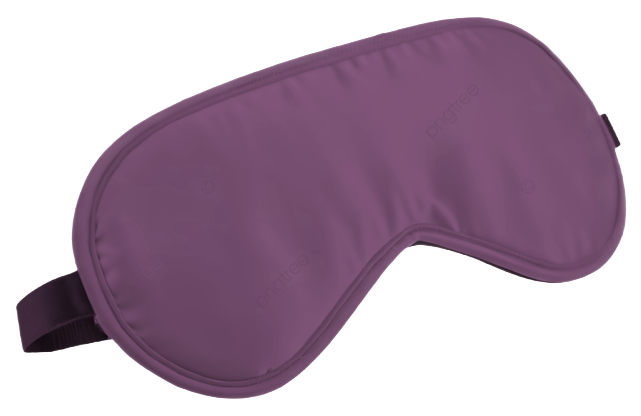
If darkening the room isn’t possible, wearing a sleep mask can help enhance your relaxation.
GUIDED SESSION
Use headphones for optimal sound
Let Go and Relax-1
Let Go & Relax-3
Let Go & Relax-2
The effects of chronic stress on the autonomic nervous system: an updated review. Chandrashekara, S. et al. Journal of Clinical and Diagnostic Research: JCDR, 15 (1), LE01-LE05. 2021.
Heart rate variability biofeedback for the treatment of anxiety and stress-related disorders: a systematic review and meta-analysis. Goessl, V. C. et al. Applied Psychophysiology and Biofeedback, 42 (2), 117-133. 2017.
USING RELAXATION: COPING WITH FUNCTIONAL GASTROINTESTINAL DISORDERS. Kenneth R. Jones, et al. UNC School of Medicine.
Music as an intervention in the oncology setting. Cook, Janet D. Cancer Nursing 9(1): p 23-28, February 1986.
The effects of guided imagery and music therapy on reported change in normal adults. C Maack, et al. Journal of Music Therapy, 1999.
Heart rate variability and stress: A comprehensive review. Kim, H. G., et al. Biofeedback, 6(1), 23-31. 2018.
Increasing vagal tone through breath: Implications for psychiatric conditions. Shiozaki, K., et al. Journal of Psychiatric Practice. 26 (3), 193-206. 2020.
Mindfulness-based interventions: a review of the effects on the autonomic nervous system. Pascoe, M. C., et al. Complementary Therapies in Clinical Practice, 31, 193-200. 2018.