
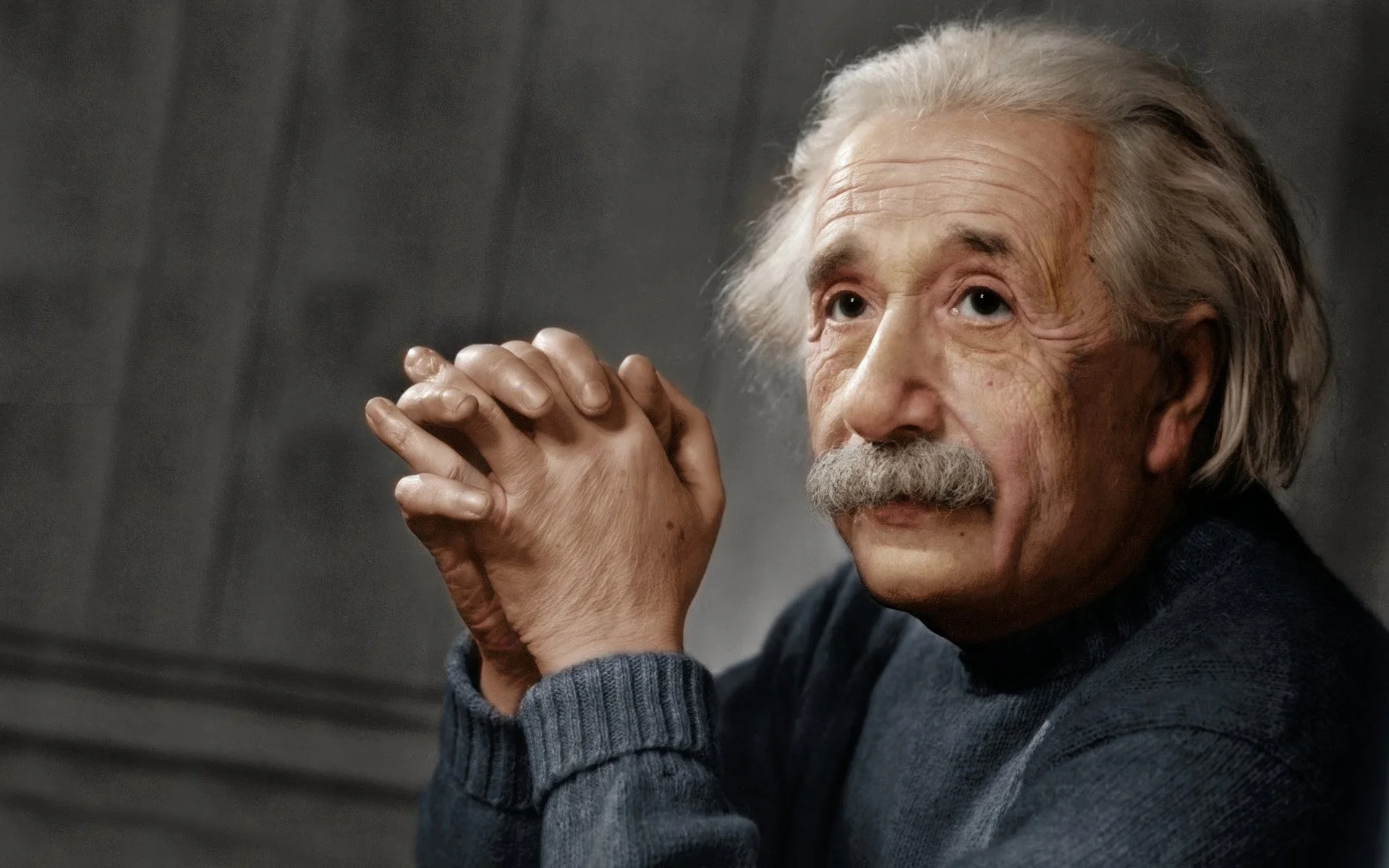
"We cannot solve our problems with the same thinking we used when we created them" Albert Einstein
PROBLEM SOLVING
Problem solving is the process of identifying a problem, understanding its causes, and finding and implementing the best solution to overcome it. It is an important life skill that is used in everyday situations, education, and the workplace. Effective problem solving helps people make informed decisions, overcome challenges, and achieve their goals. A typical problem-solving process includes the following steps:
Define the Problem: Clearly identify and describe the issue. When defining a problem, it is important to separate facts from opinions and identify the underlying causes. This helps ensure that the focus is on the actual problem rather than just its symptoms.
Analyze the Problem and Identify the Root Cause: Gather relevant information and determine why the problem occurred. The root cause is the main underlying issue that led to the problem. Identifying the root cause is important because addressing only the symptoms may provide temporary relief while allowing the problem to happen again.
Generate Possible Solutions: Think creatively and consider different ways to solve the problem. It is helpful to develop several possible solutions before choosing one. These may include both short-term and long-term options. Considering multiple alternatives can increase the chances of finding an effective solution.
Evaluate and Choose the Best Solution: Compare the possible solutions and consider their advantages, disadvantages, costs, risks, and potential results. Then select the solution that is most effective and practical.
Implement the Solution: Put the chosen solution into action. Develop a clear plan that identifies what needs to be done, who will do it, and when it should be completed. When possible, test the solution on a small scale first. This allows potential problems to be identified and addressed before applying the solution more broadly.
Review of the Results: After implementing the solution, evaluate whether it successfully resolved the problem. If the desired results are not achieved, adjust or consider another solution. Reviewing the results helps ensure that the problem has been effectively resolved and can also help prevent it from happening again.
In summary, problem solving is a structured process that involves identifying a problem, understanding its root cause, developing and evaluating solutions, implementing the best option, and reviewing the results. Developing strong problem-solving skills can help people handle challenges more effectively and make better decisions in both their personal and professional lives.
WHAT IS PROBLEM SOLVING
Take a pen and paper and write down your thoughts.
Start by listening to the audio session, then watch the short video(s).
PREPARATION
GUIDED SESSION
Use headphones for optimal sound

Look carefully and ask questions. Things aren’t always what they seem.
Problem-solving skills, solving problems and problem-based learning. G. R. NORMAN. Medical Education. V. 22, Issue 4. P. 279-286. July 1988.
Problem Solving. Kevin Dunbar. A Companion to Cognitive Science. 11 August 2017.
Problem-Solving Strategies. Mary L. Gick. Educational Psychologist. V. 21, 1986 – P. 99-120. 22 Jun 2011.
Problem solving and learning. Anderson, John R. American Psychologist, 48(1), 35–44. (1993).
On problem-solving. Duncker, Karl,et.al. Psychological Monographs, 58(5), i–113. (1945)