
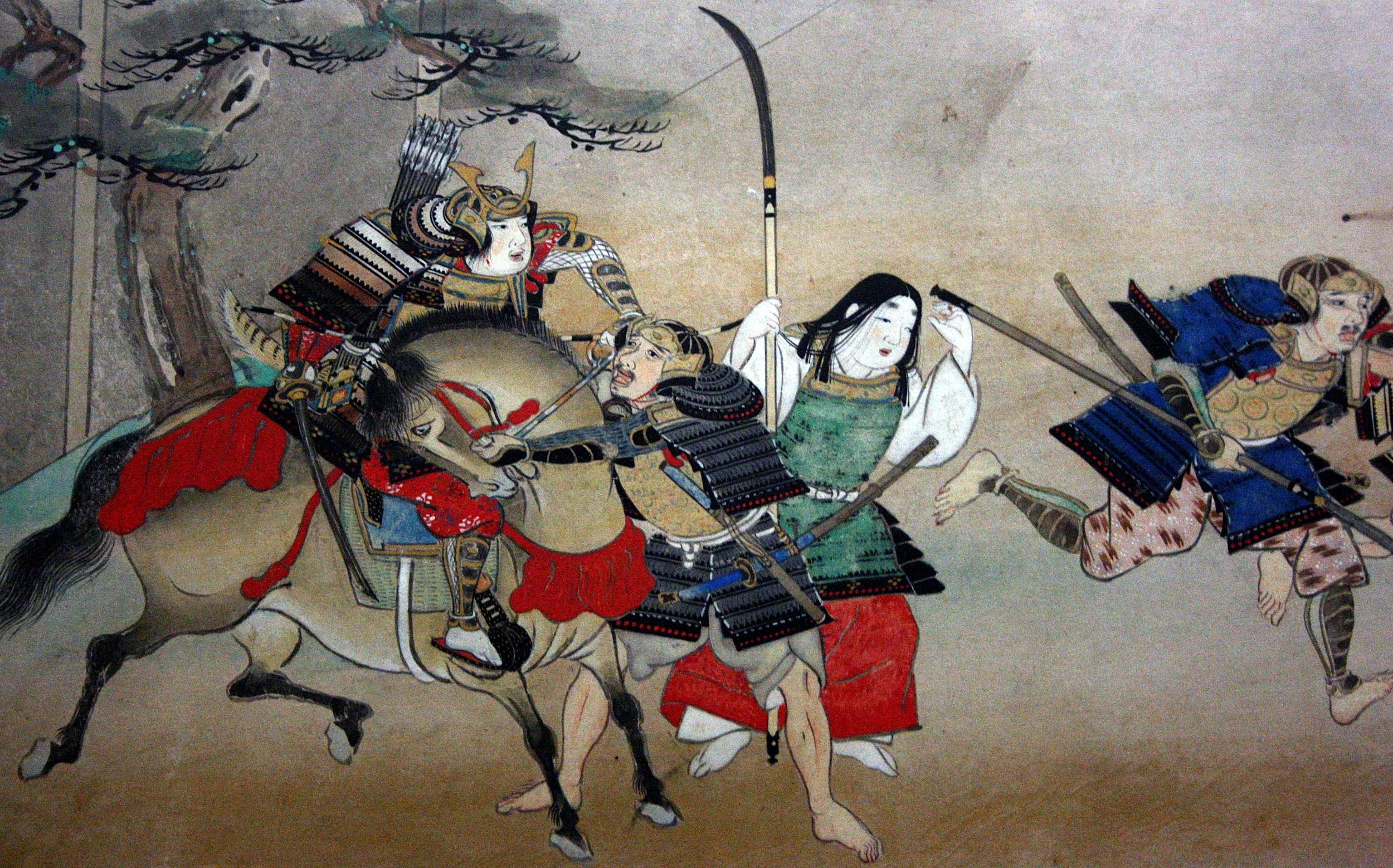
Looking at life from a different perspective makes you realize that it’s not the deer that is crossing the road, rather it’s the road that is crossing the forest - Muhammad Ali
STRATEGY & TACTICS
Success, victory, and transformation, whether in life or in the workplace, rarely happen by chance. Behind every meaningful achievement lies a deliberate approach, a clear direction, and a well-thought-out plan. This approach is known as strategy. Strategy is the art of defining what you want to achieve, determining how to achieve it, and allocating your resources wisely to turn your vision into reality. It provides direction, guides decision-making, and helps transform goals into tangible results. We often wonder why some people succeed while others struggle or fail. Is there a secret formula for success? Does success depend solely on hard work, intelligence, and luck? Is there an age limit to achieving greatness? Although these factors can influence outcomes, success is rarely driven by a single element. It is usually the result of several interconnected factors, including having a clear vision, setting meaningful goals, planning carefully, working diligently, maintaining focus, adapting to change, and making sound decisions. Among these essential ingredients, strategy stands out as a fundamental driver of success. It connects ambition with action and effort with results. Hard work is important, but working hard without a clear strategy can lead to wasted time, energy, and resources. Strategy helps us determine where to focus our efforts, which opportunities to pursue, what risks to manage, and how to achieve the greatest impact with the resources available. Strategy is relevant to every aspect of life and work. Whether we are managing a business, advancing our careers, solving problems, leading a team, or making everyday decisions, strategic thinking enables us to act with purpose and effectiveness. It encourages us to look beyond immediate circumstances, anticipate future challenges, recognize opportunities, and consider alternative paths toward our objectives. Importantly, strategy is not about eliminating every obstacle; it is about finding the most effective way to overcome, navigate, or work around them. Obstacles are inevitable, but they do not have to determine the outcome. A sound strategy allows us to adjust our approach, use our strengths, minimize our weaknesses, and continue moving toward our goals despite setbacks. Strategy is often confused with tactics, but the two serve distinct purposes. Strategy defines the overall direction and approach, where we want to go and how we intend to get there. Tactics focus on the specific actions we take, including what we do and when we do it, to execute that strategy. In simple terms, strategy establishes the path, while tactics determine the individual steps along the way.
Strategy begins with asking the right questions:
How can I perform this task more effectively and achieve better results?
What is the most efficient and practical way to reach my destination?
How can I identify, address, and overcome the challenges facing me?
How can I anticipate risks and protect myself or my organization against competitors and external threats?
How can I make the best use of my available time, skills, knowledge, and resources?
What alternatives are available if my original plan does not work?
What decisions will give me the greatest chance of success?
Ultimately, strategy is about thinking ahead, making deliberate choices, and acting with purpose. It enables us to move beyond simply reacting to circumstances and empowers us to shape outcomes.
Strategic Thinking
Strategy begins with strategic thinking, the ability to understand the bigger picture, assess the competition, anticipate challenges, and recognize opportunities before they become apparent to others. It requires looking beyond the immediate situation to understand how individual actions, decisions, and circumstances connect to influence the overall outcome. Effective strategic thinking considers both short-term demands and long-term objectives. Neither can be ignored. Immediate decisions must support the broader mission, while long-term goals must account for present realities. Every element must work together in a coordinated and deliberate manner, like a well-oiled machine. At its core, strategic thinking is about seeing differently. It is the ability to look beyond the obvious, challenge assumptions, and recognize possibilities that others overlook. It means seeing a different slice of reality. Consider a tree. You can view it from the front, from either side, from above by climbing it, or from below by lying on the ground and looking up. Each perspective reveals something different. Yet, too often, we become fixed on a single viewpoint, mistaking what we see for the whole picture. We focus on one part and fail to recognize how it connects to everything else. In the early seventeenth century, the renowned Japanese Zen monk Takuan Sōhō explored this principle in his work Fudōchi Shinmyōroku, writes: “When facing a single tree, if you just look at a single leaf, you will not see all the leaves. But when the eye is not focused on only one leaf, all leaves become visible.” This idea captures the essence of strategic thinking: do not become so focused on one detail that you lose sight of the whole. The ability to shift perspective, recognize patterns, and understand the relationships between seemingly unrelated elements allow us to see opportunities and threats that remain hidden to others. Strategic thinking is not simply about reacting to what is happening. It is about anticipating what might happen, understanding why it might happen, and positioning yourself to influence the outcome. Whether competing in business, navigating a complex organization, or confronting an adversary, the advantage often belongs to the person who sees beyond the immediate situation and recognizes what is developing beneath the surface. Sun Tzu, the ancient Chinese general and military strategist traditionally credited with authoring The Art of War, emphasized the importance of recognizing danger and disorder before they fully emerge. He wrote: “One must become aware of disturbance before disturbance, and to be aware of danger before danger. By becoming aware, one can change disturbance into order, change danger into safety, change destruction into survival, and change calamity into fortune.” Ultimately, strategic thinking is the discipline of seeing the whole, examining the parts, anticipating what comes next, and connecting insight to action. It requires flexibility to change perspectives, the foresight to prepare for multiple possibilities, and the judgment to align immediate decisions with long-term objectives. The true strategic advantage does not necessarily belong to the person with the most information, the greatest resources, or the strongest position. It often belongs to the person who sees what others fail to see, understands what others fail to recognize, and acts before others realize what is happening.
Strategy Must Be Agile and Adaptable
Strategy must remain agile and adaptable to the ever-changing circumstances on the battlefield. To stay ahead of emerging threats, we must continuously assess the situation, adjust our approach, adapt to new challenges, and overcome obstacles. As Sun Tzu teaches, there is no single, fixed strategy; success depends on understanding the situation and adapting accordingly, as the possible combinations are endless. The highest forms of strategy embody the element of water. Water has no fixed shape; it adapts to the terrain, flows around obstacles, and responds to its surroundings. It is both flexible and relentless, finding a way forward regardless of the conditions. Like water, effective strategy must remain fluid, responsive, and resilient, while shifting with circumstances.
Strategic Planning
Once strategies have been developed, the next step is strategic planning. Strategic planning provides a roadmap for achieving long-term success by establishing a clear direction, anticipating challenges, and determining the actions necessary to accomplish our objectives. Sun Tzu emphasizes the importance of effective planning and adaptability: “Those who are victorious plan effectively and change decisively. They are like a great river that maintains its course but adjusts its flow. They are skilled in both planning and adapting and need not fear the result of a thousand battles, for they win in advance, defeating those that have already lost.” Sun Tzu’s teachings highlight two essential principles of strategic planning. First, plans, procedures, and intentions must be protected from premature disclosure to prevent opponents from gaining advance knowledge of our actions. Maintaining confidentiality preserves the element of surprise and prevents adversaries from developing counterstrategies. Second, success must be established through careful planning before action is taken. In other words, a strategy should be thoroughly evaluated to ensure it has a high probability of success before implementation. By combining deliberate preparation, adaptability, and discretion, we increase our chances of achieving our objectives while minimizing unnecessary risks.
Strategic Questions for Strategy Development
Developing an effective strategy requires a disciplined process of inquiry, analysis, and planning. Asking the right questions helps clarify objectives, assess the competitive or adversarial landscape, identify available resources, anticipate risks, and prepare for uncertainty. The ultimate goal is not simply to develop a plan, but to create a practical, measurable, and resilient approach that maximizes the likelihood of achieving the desired outcome. The following questions provide a framework for developing a well-informed, adaptable, and results-driven strategy.
Define the Objective
What is the primary objective, and what are we trying to achieve?
What does success or victory look like?
How will success be measured, and what criteria will determine whether the objective has been achieved?
Identify the Challenge
Who or what is the opposition, competitor, or principal obstacle?
What specific challenge are we facing?
What are the underlying causes, conditions, and dynamics shaping the challenge?
Gather Intelligence and Information
What information and data are needed to make informed decisions?
Where and how can reliable information be collected and verified?
What critical information gaps exist, and how can they be addressed?
Assess Our Capabilities
What are our key strengths and competitive advantages?
What are our weaknesses, vulnerabilities, and limitations?
Do we possess the necessary knowledge, skills, experience, and expertise?
Do we have the capabilities, personnel, technology, and resources required to execute the strategy?
Analyze the Opposition
What are the opposition's principal strengths, capabilities, and advantages?
What are its weaknesses, vulnerabilities, and constraints?
What motivates its actions, and what outcomes is it seeking?
Identify and Mitigate Risks
What foreseeable risks could undermine the strategy?
What assumptions are we making, and what happens if they prove incorrect?
What are the potential consequences of failure, delay, or unintended outcomes?
What preventive measures and contingency plans can reduce these risks?
Develop and Evaluate Strategic Options
What strategic options are available to achieve the objective?
Which options offer the highest probability of success?
What are the costs, benefits, trade-offs, and potential consequences of each option?
Which approach best aligns our objectives, capabilities, resources, and operating environment?
Prepare for Change and Uncertainty
What unexpected developments could disrupt the strategy?
How will we recognize emerging threats, changing conditions, or new opportunities?
What alternative courses of action should be prepared in advance?
How will we adapt the strategy when new information emerges or circumstances change?
WHAT IS STRATEGY
To get started, step away from your office or home and find a place where stress is minimal.
Take a pen and paper and write down your thoughts.
Start by listening to the audio session, then watch the short video(s).
PREPARATION
GUIDED SESSION

Steve Jobs founder of Apple
Use headphones for optimal sound
Bruce Lee on Agility and Adapting
Bruce Lee Art of Fighting without Fighting
Sun Tzu the Art of War
Ancient Japanese Samurai and Chinese Warrior Strategies
Ancient strategies are methods used to win wars, outsmart opponents, influence people, protect power, and achieve goals without wasting resources. They come from Chinese, Japanese and Indian classics like: Sunzi Bingf, Sanshihlu Chi, Go Rin No Sho, Heiho Kadensho, Zenshu Kanto Kai, Bushido Shoshinshu, Wubei Zhi, Bubishi, Ramayana, Mahabharata, Dhanurveda, Arthashastra and others. Many are still useful today in business, negotiation, leadership, and everyday decision-making. The knowledge contained in these texts was, for the most part, kept secret to prevent it from falling into the hands of those with harmful intentions. It was traditionally transmitted orally from experts to individuals of high moral character. But why was moral character considered so important? Because those who lack nobility of character can become dangerously destructive when entrusted with such knowledge. As Kabir, the renowned 15th-century Indian mystic poet, once observed: “With soap you cannot whiten the coal.”
The five principles behind strategy are listed as:
Intelligence: Understand people, circumstances, incentives, and risks before acting.
Perception: Understand what others believe, what they overlook, and how they interpret your actions.
Timing: A good decision made at the wrong time can fail. Patience can create better conditions.
Positioning; Put yourself in circumstances where success becomes easier and failure becomes less costly.
Self-control: Do not let anger, pride, fear, or impatience dictate your decisions.
To stay ahead of emerging threats, strategies were developed to gain a tactical advantage and defeat the enemy:
Know yourself and your enemy: Understand your own strengths and weaknesses, as well as your opponent's, before making a move.
Win without fighting: The highest form of strategy is achieving your objective without a costly direct confrontation.
Deception and misdirection: Make an opponent misunderstand your intentions, capabilities, or next move.
The Empty Fort Strategy: Appear calm and confident when an opponent expects panic, potentially making them doubt their assumptions. During a crisis, stay composed, communicate clearly, and avoid signaling panic. Confidence alone, however, cannot replace real preparation.
Retreat to advance later: Sometimes stepping back preserves your strength and creates a better opportunity to succeed later. Leave an unproductive argument instead of sacrificing your reputation to win it.
Use the terrain to your advantage: Success depends on the environment, not just the strength of the people involved. For example, choose a job, market, or competitive field where your skills offer a natural advantage instead of competing everywhere.
Form alliances to overcome stronger opponents; Build partnerships that change the balance of power. For example: Small businesses collaborate to compete with a much larger company.
Wait for the right moment: Do not force an action when conditions are unfavorable. Prepare, observe, and act when the opportunity improves.
Sacrifice something small to gain something greater: Give up a minor advantage when doing so creates a much larger long-term benefit. For example, spend time learning a difficult skill now to improve your opportunities in the future.
Attack the strategy, not just the opponent: Instead of confronting an opponent at their strongest point, undermine the plan or conditions that make their position effective. For example, rather than fighting a competitor on price alone, differentiate your product so price is no longer the only deciding factor.
Deceive the Heavens to Cross the Sea: Make an unusual action appear ordinary so others fail to recognize its real purpose.
Besiege Wei to Rescue Zhao: Attack an opponent's vulnerable position elsewhere instead of confronting their strongest force directly.
Kill with a Borrowed Knife: Use another force, an existing conflict, or an indirect mechanism to achieve an objective.
Wait at Ease for the Exhausted Enemy: Preserve your strength while the opposing side spends its energy.
Loot a House on Fire: Take advantage of a situation when an opponent is distracted or weakened by a crisis.
Make a Feint to the East and Attack in the West: Draw attention toward one direction while pursuing the real objective elsewhere.
Create Something Out of Nothing: Create a false impression or use a seemingly insignificant element to produce a meaningful effect.
Secretly Advance Through Chencang: Publicly signal one plan while quietly pursuing another route toward your goal. A visible distraction can conceal a less obvious path forward.
Watch the Fire from Across the River: Observe a conflict between others rather than intervening prematurely. Sometimes patience and distance are better than becoming involved in someone else's dispute.
Hide a Knife Behind a Smile: A friendly exterior may conceal hostile intentions.
Sacrifice the Plum Tree for the Peach Tree: Accept a limited loss to prevent a much greater loss. Choose your sacrifices deliberately and protect what matters most.
Lead Away a Goat in Passing: Take advantage of small opportunities that appear along the way.
Beat the Grass to Startle the Snake: Make a small move to reveal a hidden opponent or discover their reaction.
Borrow a Corpse to Bring Back a Soul: Revive an old idea, institution, or opportunity by giving it a new purpose. Something that appears obsolete may still hold useful value.
Lure the Tiger Down from the Mountain: Draw a powerful opponent away from the environment where they have the greatest advantage. Change the conditions of a contest before engaging in it.
Let the Enemy Go in Order to Capture Them: Avoid forcing an immediate outcome; allow room for movement so that a better opportunity may emerge.
Toss Out a Brick to Attract Jade: Offer something modest to invite something more valuable in return. A small contribution, question, or proposal can open the door to a better exchange.
Capture the Leader to Capture the Bandits: Target the central source of coordination rather than confronting every individual problem separately.
Remove the Firewood from Under the Cauldron: Eliminate the underlying source of a problem instead of fighting its visible symptoms. Address root causes rather than repeatedly treating surface-level effects.
Fish in Troubled Waters: Take advantage of confusion to find an opening.
The Golden Cicada Sheds Its Shell: Withdraw while leaving behind an appearance that conceals your departure. Plan exits carefully and preserves your ability to move on without unnecessary confrontation.
Shut the Door to Catch the Thief: Contain a problem before dealing with it, preventing it from spreading or escaping control.
Befriend Distant States and Attack Nearby Ones: Build relationships with distant powers while addressing immediate competing interests closer to home.
Borrow a Road to Conquer Guo: Obtain access or assistance for one stated purpose while pursuing a larger strategic objective.
Steal the Beams and Replace the Pillars: Change the internal structure of something while leaving its outward appearance intact. Look beneath appearances to understand how a system really works.
Point at the Mulberry Tree While Cursing the Locust Tree: Send a message to one target indirectly through another.
Pretend to Be Foolish Without Losing Your Sanity: Avoid displaying your full capabilities or reacting to every provocation. You do not need to prove your intelligence or reveal every intention in every situation.
Lure the Enemy onto the Roof, Then Remove the Ladder: Encourage a commitment that leaves the other side with fewer options.
Make Flowers Bloom on a Tree: Make a modest force or position appear more impressive through arrangement, presentation, or support.
Turn from Guest into Host: Gradually move from a dependent or secondary position into one of control. Build expertise, responsibility, and influence until you can shape the direction of events.
The Beauty Trap: Use attraction, desire, or emotional attachment to influence someone's judgment.
The Empty Fort Strategy: Present an unexpected display of calm or openness that makes an opponent doubt their assumptions.
Turn the Enemy's Spies: Turn an opponent's information network or relationships against their original purpose.
The Self-Injury Stratagem: Accept or stage a personal cost to make a story appear credible to others.
The Linked Stratagems: Combine multiple strategies so that each action helps create the conditions for the next. Build a coordinated plan rather than relying on a single move; also watch for cascading risks.
The Best Stratagem Is to Retreat: When the situation is unwinnable, withdraw to preserve your strength and future options.
Maintaining a State of Alert Readiness: Sometimes, the best strategy is to remain quiet, observant, and detached, refraining from immediate action while staying alert and prepared to respond when necessary. This approach allows you to buy time, assess the situation, and wait for a more opportune moment to act.
Difficulty at the Beginning: Periods of growth often come with challenges, much like the struggles of a new beginning. These difficulties arise because so much is happening at once, and everything is striving to take shape. Although the situation may seem chaotic and uncertain, perseverance can lead to great success despite the risks involved. During this time, patience is essential, as acting too soon may lead to setbacks or failure. It is also important not to face these challenges alone. Seeking support and working with others can help bring order to confusion and make it easier to move forward.
Biting Through: When an obstacle stands in the way of unity, decisive action is needed to overcome it. Success comes from confronting the problem directly rather than allowing it to persist. Often, division arises because someone spreads rumors, betrays trust, or deliberately interferes with harmony. To prevent further harm, the situation must be addressed promptly and firmly. Such obstacles rarely disappear on their own; they require courage, clarity, and determined action to resolve.
Waiting: Waiting is not simply hoping for something to happen; it is holding a quiet, inner certainty that the goal will eventually be reached. The certainty provides the light that guides us toward success. It nurtures patience and perseverance, bringing good fortune and giving us the strength to overcome even the greatest challenges. At times, life places us before obstacles that cannot be avoided but must be faced. Weaknesses and impatience will not carry us through. Only those who remain strong in spirit can meet their fate with courage, trusting in their inner stability to sustain them until the end. True strength begins with honesty, with the willingness to see things exactly as they are, without denial, self-deception, or illusion. When we face reality with courage, clarity emerges from our circumstances, illuminating the path forward and revealing the choices that must be made. But understanding alone is not enough. Once the way becomes clear, we must act with determination and perseverance. Those who meet their fate with courage and resolve are best prepared to navigate their challenges. In doing so, they find the strength to cross the great water, to make difficult decisions, overcome uncertainty, and move forward into what lies beyond.
Before Completion: The circumstances are challenging, and the task is enormous, carrying great responsibility. The goal is nothing less than guiding the world out of confusion and restoring order. Success is possible, however, because a clear objective can unite forces that are currently moving in different directions. First, it is essential to proceed carefully, like an experienced fox crossing a frozen river. It listens attentively to cracks in the ice and cautiously searches for the safest path forward. A young, inexperienced fox may rush ahead without such caution and fall into the water just as it is about to reach the other side, making all its effort pointless. Therefore, during times when a task is not yet complete, patience, careful judgment, and caution are essential to achieving success.
Work to Repair What Has Been Spoiled: What has been damaged through human wrongdoing can be restored through human effort. It is not the result of an unchangeable fate, but of the misuse of freedom and the complacency that allowed corruption to take hold. The passivity and indifference that led to decline must give way to determination and decisive action, so that the end of one era can become the beginning of something new.
The Tactic of Familiarity: Clever tactics that catch people off guard do not always need to be concealed. Sometimes, the most effective strategy is to hide in plain sight. People tend to trust what they see repeatedly, often becoming less suspicious of familiar activities—even when they should remain alert. When someone believes their defenses are foolproof, their vigilance inevitably weakens. Using this tactic, begin by performing an action that appears harmless to your target. Repeat it several times until they become accustomed to it and no longer perceive it as a threat. With each repetition, their attention diminishes, and they begin to think, “Again?” Once they have become sufficiently complacent, seize the opportunity to act swiftly and decisively. The following story illustrates this strategy: Tai Shih-Tzu, a renowned warrior, once found himself surrounded by a large army of Yellow Cap Rebels. His troops were trapped inside a besieged fortress, with the enemy encircling them. After securing a meal and waiting until dawn, Tai Shih-Tzu prepared his bow and whip, mounted his horse, and rode out through the fortress gates with twelve men carrying archery targets. The rebel soldiers were caught off guard. Confused by this unexpected move, they rushed to prepare their horses, believing he was attempting to escape. However, Tai Shih-Tzu calmly dismounted, entered the trench beside the fortress, set up his targets, and began practicing archery as though nothing was wrong. After exhausting his supply of arrows, he returned to the fortress without incident. The following day, he repeated the same routine. Some rebel soldiers remained alert, watching him closely, while others, convinced that he posed no threat, relaxed and paid little attention. Tai Shih-Tzu set up his targets, practiced his archery, and then returned to the fortress once again. By the third day, the rebels had grown so accustomed to the spectacle that they barely noticed him. Their initial suspicion had faded into indifference. They simply thought, “Again?” No one bothered to stand guard. Recognizing that the moment had come, Tai Shih-Tzu suddenly spurred his horse and charged through the enemy's encirclement. His reinforcements followed, breaking free from the trap and ultimately defeating the rebels. Familiarity can breed complacency. By repeating an apparently harmless action, you can condition others to lower their guard. When their attention fades and their vigilance weaken, an unexpected move can succeed precisely because they have stopped anticipating it.
Creating an Illusion to Obtain Resources: During the Tang Dynasty in China, General Ling Ku-chao surrounded the fortress of Yung Ch’in, cutting it off from all outside assistance. The fortress was under the command of Chang Hsun, who soon realized that his soldiers were running out of arrows. To solve this problem, Chang Hsun ordered his men to make a thousand straw mannequins, dress them in black clothing, tie them with ropes, and lower them over the fortress walls at night. When the enemy soldiers saw the figures descending, they mistakenly believed they were real soldiers attempting to escape. They rushed forward and fired thousands of arrows at the straw dummies. Chang Hsun’s men then pulled the mannequins back into the fortress, successfully collecting the arrows and replenishing their supplies. The following night, Chang Hsun repeated the same strategy. However, the enemy soldiers had learned their lesson and fired only a few arrows before withdrawing. On the third night, Chang Hsun changed his approach and ordered five hundred real soldiers to descend the fortress walls. Believing the enemy was using the same trick again, the rebel forces ignored them and made no preparations for an attack. Taking advantage of their carelessness, Chang Hsun’s soldiers caught the enemy by surprise and launched a successful assault. Through deception and clever planning, Chang Hsun transformed the enemy’s suspicion into an opportunity, demonstrating how creating an illusion can help obtain valuable resources and gain a strategic advantage.
Make a Move to Reveal Information and Provoke Reaction: This tactic focuses on gathering intelligence and understanding a target’s behavior, movements, and strategic intentions. It involves conducting reconnaissance, making a calculated move, and carefully observing the response. The principle is captured in the saying, “Beat the Grass to Startle the Snake.” Rather than confronting the target directly, you create a situation that prompts a reaction, revealing clues about their position, intentions, or vulnerabilities. By examining subtle changes and smaller details, you can gradually uncover information that might otherwise remain hidden. Analyzing these observations alongside the target’s reactions allows you to connect the evidence, recognize patterns, and develop a clearer understanding of the overall situation.
Disseminate Propaganda: This tactic involves spreading misleading or false information to influence the target’s perceptions, create confusion, and impair sound decision-making. Exploiting the target’s own personnel to spread misinformation can be an especially effective way to undermine trust and credibility within the organization.
Distribute Power Across Multiple Targets: Rather than confronting a powerful opponent directly, it is wiser to first divide its strength and weaken the support of its allies. Managing a powerful opponent is much like controlling water. A strong, raging current is difficult to overcome head-on, but by diverting it into several smaller channels, its force can be reduced and brought under control.
Remove the Source of Power: When facing a powerful opponent, confronting them directly may leave you with little chance of success. Instead, focus on weakening the source of their strength. This strategy is captured in the saying, “Pull the firewood from beneath the kettle.” When the firewood is removed, the boiling water gradually cools on its own, making the situation easier to manage. There are two main ways to apply this principle. The first is to cut off the target’s supplies and resources. No matter how powerful an army may be, it cannot sustain its strength if its supply lines are disrupted. The second is to undermine the target’s morale. When people lose their motivation and will to act, even a large and well-organized force can become ineffective. By targeting the foundation of an opponent’s power rather than confronting their strength directly, you can weaken them and gain control of the situation.
Prevent Your Opponent from Returning to Their Original Position: This tactic involves forcing your opponent into a position you can control, then cutting off their ability to return to their original position. In other words, you send them to the roof and then remove the ladder, leaving them unable to climb back down.
Shift Left, Strike Right: First, create a diversion by appearing to attack from a direction other than your actual objective. Second, compel the target to redirect its attention and resources toward defending against the apparent threat, leaving other areas less protected. Finally, act decisively where defenses have been weakened. The key is to draw the target into the deception, prompting it to commit a significant portion of its resources to the feint and thereby reducing its ability to respond effectively at the true point of engagement.
Use an Affectionate and Friendly Approach: This tactic involves building genuine trust and rapport through kindness, affection, and friendship. By establishing a sincere connection and demonstrating a willingness to support and collaborate, one can become a trusted ally. Rather than relying on deception or manipulation, the desired outcome is achieved through mutual respect, authentic relationships, and the potential for a lasting alliance.
Japanese Samurai Miyamoto Musashi: The legendary Japanese samurai Miyamoto Musashi, born Shinmen Musashi-no-Kami Fujiwara no Harunobu, was renowned for his mastery of swordsmanship and strategic thinking. In his famous manuscript, The Book of Five Rings, written in the 17th century, he discusses various strategies for overcoming an opponent. Three of his primary strategies are:
Ken No Sen When engaging an adversary, move slightly faster than your usual pace to seize the initiative, overwhelm the opponent, and disrupt their composure.
Tai No Sen Feign weakness or vulnerability to encourage the opponent to lower their guard. When they become relaxed or careless, seize the opportunity to launch a decisive attack.
Tai Tai No Sen When the enemy attacks aggressively and rapidly, remain composed and respond by targeting their weakest point, turning their momentum into an opportunity for counterattack.
Towards a dynamic theory of strategy. Michael E. Porter. Strategic Management Journal. V. 12. Issue S2. P. 95-117. 1991.
Understanding strategy Available to Purchase. Warnock Davies. Strategy & Leadership. V. 28 (5): 25–30. 2000.
The Strategy Concept: Five Ps for Strategy. Henry Mintzberg. California Management Review. V. 30, Issue 1. 1987.
So what is strategy? Roger Evered. Long Range Planning. V.16, Issue 3. P. 57-72. 1983.
What is project strategy. Karlos Artto, et.al. International Journal of Project Management. V. 26, Issue 1. P. 4-12. 2008.