
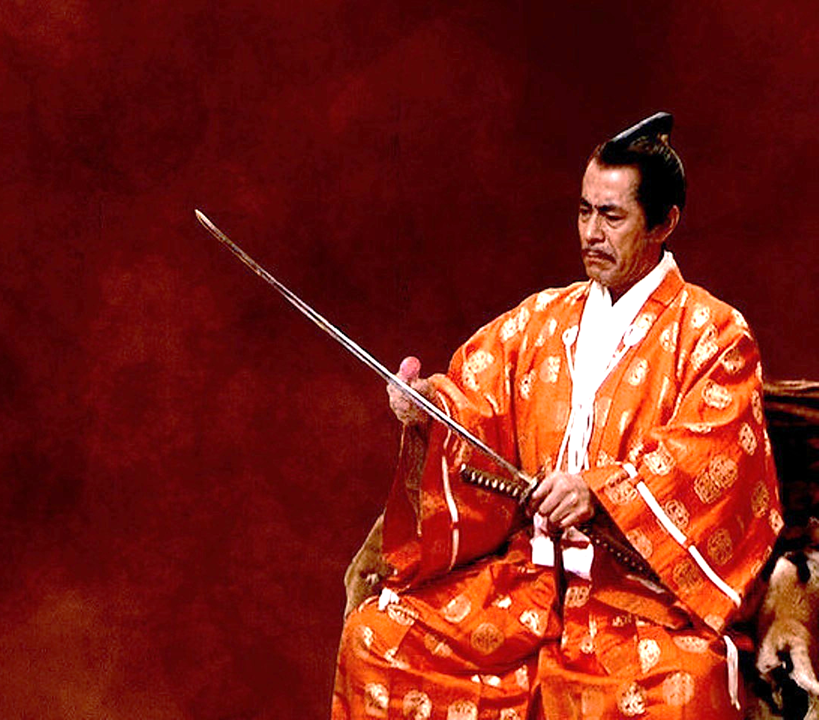
One may conquer a hundred men in battle, but one who conquers himself is, indeed, the greatest of conquerors Sahassa Vagga
WARRIOR WITHIN
All the discussions, strategies, and plans for success mean little without clarity of mind and the physical and mental energy to put them into action. Success requires more than knowledge and ambition; it demands strength, vitality, focus, and the discipline to follow through. A reasonable level of physical strength is an important foundation for self-confidence, independence, and fully experiencing what life has to offer. When we lack strength, energy, and vigor, we may become less willing to engage with life’s challenges and opportunities. Staying strong, alert, and physically capable helps us remain active, resilient, and independent as we grow older. From the earliest days of human existence, survival demanded physical strength, coordination, and the ability to defend oneself. Early humans developed fighting techniques to protect themselves, hunt for food, defend their communities, and overcome the harsh conditions of their environment. They also developed crude weapons and combative skills to face threats from wild animals and rival tribes. Over time, these practical fighting methods evolved into more structured systems of combat. Different cultures developed their own techniques according to their environments, traditions, and needs. These skills were passed down through generations, serving not only as methods of self-defense but also as tools for protecting communities, defending territory, and preparing warriors for battle. As civilizations advanced, combative practices developed into the diverse martial arts we recognize today, with distinctive traditions emerging across Europe, China, Japan, Okinawa, Thailand, Korea, India, and other parts of the world. The word martial comes from the Latin Martialis, meaning “of Mars,” the Roman god of war. Over the centuries, martial arts expanded beyond combat and warfare. Physical training became increasingly valued for its contributions to general fitness, health, strength, endurance, and mental discipline. What began largely as a means of survival gradually developed into a practice that could cultivate both the body and the mind. Traditional martial arts have also influenced modern physical training in unexpected ways. For example, the Okinawan karate practice of Sanchin emphasizes controlled breathing, posture, concentration, and muscular tension. This helps develop the coordinated breathing and muscle contractions used in modern anti-G straining maneuvers, which help fighter pilots withstand high gravitational forces and reduce the risk of losing consciousness during flight. Ultimately, a disciplined body becomes a foundation for strength, vitality, and resilience. Through consistent training, we develop more than physical power: we cultivate alertness, concentration, self-control, and clarity of mind. A strong, disciplined body supports a clear, focused mind, and together, they provide the energy and resilience needed to meet life’s challenges and pursue meaningful success.
Power of Discipline and Martial Arts
Start by listening to the audio session, then watch the short video(s).
WARNING: The content on this page is provided for informational purposes only and should not be considered a substitute for professional or medical advice.
PREPARATION
GUIDED SESSION

Use headphones for optimal sound
Africa Zulu Warrior Dance
A short clip of Kalaripayattu, the traditional martial art of South India, featuring the late Govindan Kutty Nair, the headmaster. The footage is part of Kamran Loghman’s on-location research conducted in the early 1980s.
Thailand Muay Thai
India Mallakhamb Wrestling Training
Chinese Iron Fist
Karate Tameshiwari or breaking
Okinawa Karate Sanchin Testing or Shime
Japan Samurai Training
Short Samurai Sword Wakizashi
Japanese Samurai Jujutsu
Traditional Asian Martial Arts Training. John C. Cox. Quest. V. 45. Issue 3. 1993.
Effects of martial arts on health status. Bin Bu, et.al. Evidence Based Medicine. V. 3, Issue 4. P.205-219. Nov 2010.
The Martial Arts. Charles M. Terry. Physical Medicine and Rehabilitation Clinics. V. 17, Issue 3. P. 645-676. 2006.
Martial Arts. Ralph M. Buschbacher, et.al. Physical Medicine and Rehabilitation Clinics of North America. V. 10 Issue 1. P. 35-47. 1999.
Psychotherapeutic Aspects of the Martial Arts. Mark Weiser, et.al. American Journal of Psychotherapy. V. 49, No. 1. 1995.